




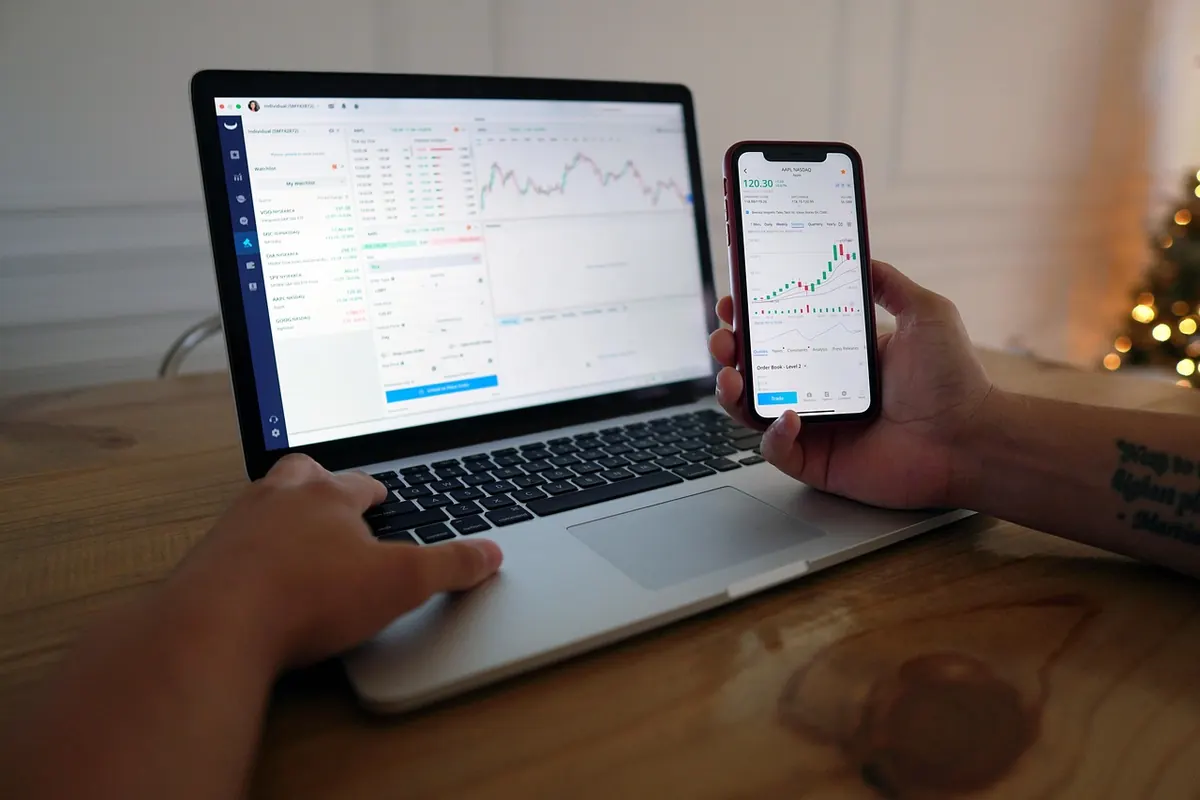
Opening a brokerage account is one of the few financial chores that is genuinely easier than it sounds. The application is shorter than a rental form, most brokers have no minimum, and you can finish the whole thing in about twenty minutes. The part that stops people is the decision that comes after: what do I actually buy?
So here is the whole sequence in order. Decide what the money is for, choose a brokerage, open the account, fund it, buy one simple thing, then set up an automatic transfer. Get those six steps done and you can ignore the account for a decade while it does its job.
Step 1: Decide What the Money Is For
Your goal determines the account, and the account determines the tax rules. Getting this backwards is the most common beginner mistake.
- Retirement, through work: If your employer offers a 401(k) or similar plan with a match, contribute at least enough to earn the full match before doing anything else. That is the highest-return move available to most people.
- Retirement, on your own: An IRA (Roth or traditional) is the usual next stop. Contributions limits change most years, and Roth eligibility depends on income, so check the current rules for your situation.
- Goals before retirement: A plain taxable brokerage account works for a house down payment, a car, or money you may want in five to ten years.
- Money you need this year: Keep it in a savings account or money market fund. Investing money you'll need soon means a bad month could arrive at exactly the wrong time.
If you're choosing between Roth and traditional and the answer isn't obvious from your tax bracket, ask a tax professional. It's a question worth an hour of their time.
Step 2: Choose a Brokerage
Most large, established brokers now charge nothing to buy and sell stocks and ETFs, so commission is no longer the deciding factor. Look at these instead:
- Fund selection: Can you buy broad, low-cost index funds and ETFs? A fund with a 0.03% expense ratio costs you roughly $3 a year per $10,000 invested. A 1% fund costs about $100.
- Account fees: Maintenance fees, inactivity fees, and transfer-out fees. Many brokers have eliminated them; some haven't.
- Fractional shares: Useful if you're starting with $100 or $200 and want every dollar invested.
- Automation: Can you schedule recurring transfers and automatic purchases without calling anyone?
- Support: Phone hours, chat, and whether a human answers.
- Access: If you want in-person help, a branch nearby matters more than an app's color scheme.
Anything from a well-known national broker or a large fund company will serve a beginner fine. Compare two or three, pick one, and don't spend another weekend on it. Switching later is possible, just mildly annoying.
Step 3: Open the Account
Have your Social Security number, employer details, and bank routing and account numbers handy. You'll be asked for your name, address, date of birth, employment status, and approximate income. Brokers are required to verify your identity, so expect either automated verification or a request to upload a photo of your ID.
Two fields people skip that matter:
- Beneficiary designation. Name who receives the account if you die. It takes thirty seconds and saves your family a legal headache.
- Dividend and capital gains settings. Choose reinvestment if you want growth, or cash if you want income. For most beginners, reinvestment is the default choice.
Approval is usually instant, sometimes a business day or two. If you're outside the United States, the paperwork and available accounts differ by country, so check with the broker directly.
Step 4: Fund It
Link your bank account and transfer money in. Standard transfers take one to three business days. Start with an amount you won't need to pull back out next month.
Before you invest a single dollar, make sure you have a small emergency cushion and a plan for any high-interest debt. Investing $200 a month while carrying a 22% credit card balance is a losing trade. Pay the card, then invest.
And don't wait for a lump sum. A $50 automatic contribution started this month beats a $3,000 contribution you keep meaning to make.
Step 5: Buy One Simple Investment
Beginners don't need a portfolio. They need one boring, diversified fund. Two solid choices:
- A total stock market index fund or S&P 500 index fund. One purchase gives you a slice of hundreds or thousands of companies. Pick the share class with the lowest expense ratio.
- A target-date fund. Choose the year closest to your expected retirement and the fund handles the mix, gradually shifting toward bonds as you age. Slightly higher fees, zero decisions.
Skip individual stocks, options, and anything described as a sure thing. Mutual funds let you invest exact dollar amounts, which is handy with small contributions; ETFs often require whole shares unless your broker offers fractional trading.
A concrete example
Say you open a Roth IRA, transfer $300, and buy a total market index fund. Then you set a $300 monthly transfer that buys more of the same fund. That's it. That's a real portfolio.
Step 6: Automate Contributions
Automation is what separates people who invest from people who intend to. Set the transfer for the day after payday, when the money is least likely to be spent on something else. Then raise the amount whenever your income rises. A 1% bump each year is nearly painless.
Resist checking the balance daily. Markets fall, and watching it happen encourages exactly the wrong response. Log in quarterly, confirm the automatic transfer is still running, and close the tab.
Your First Month, in Practice
Week one: choose the account type. Week two: open it, name a beneficiary, and link your bank. Week three: transfer whatever you can spare and buy one broad index fund or a target-date fund. Week four: set the recurring transfer and forget it.
That's the entire job. Everything else, rebalancing, tax-loss harvesting, sector bets, can wait until you have real money and a real reason. The investors who do well over thirty years are rarely the ones who picked the perfect fund. They're the ones who set up something sensible and left it alone.
This is general information, not personalized financial advice. For decisions about taxes or your specific situation, talk to a qualified professional.
Photo: TheInvestorPost / Pixabay