





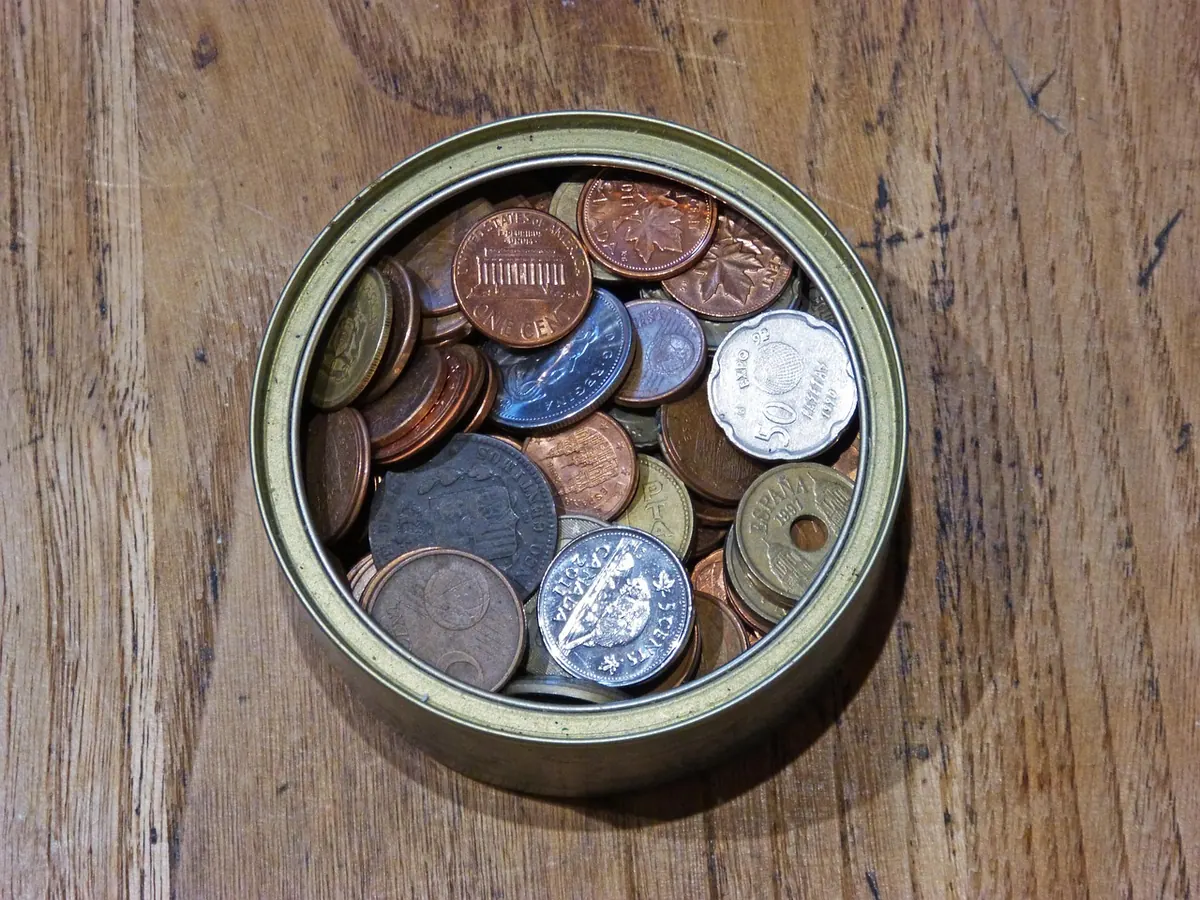
Saving $1,000 in six months sounds like a project for people who have spare cash lying around. It isn't. Spread over 26 weeks, the goal works out to about $38 a week — less than a takeout dinner and two coffees. People who hit targets like this rarely do it with one dramatic sacrifice. They do it with a handful of small decisions, repeated often enough to matter.
Here is a plan you can start this week, even if your budget already feels stretched.
Do the Math, Then Break It Down
A goal you can see is easier to hit than a vague number. Divide $1,000 by 26 weeks and you get roughly $38.50. Round up to $40 and you build in a cushion. If you're paid every two weeks, that's about $77 out of each paycheck, which is easier to picture.
If $40 a week is too steep right now, stagger it. A schedule like this starts gently and leans on your momentum later:
- Weeks 1–6: $30 a week — $180
- Weeks 7–14: $40 a week — $320
- Weeks 15–20: $45 a week — $270
- Weeks 21–26: $40 a week — $240
That adds up to $1,010, with a little room for the week when something goes wrong.
Move the Money Out of Reach
The most useful habit is making the transfer automatic and slightly inconvenient to undo. Open a savings account at a bank that isn't the one holding your checking account. Transfers then take a day or two, which gives you time to reconsider an impulse. If your bank offers sub-accounts, name one something concrete: "Car Repair," "Six Month Goal," "Buffer."
Schedule the transfer for the day after payday, when the balance is highest and the temptation is lowest. Start with $25 if $40 feels risky. You can raise it once you see that the smaller amount doesn't wreck your week — usually within a month or two.
Trim the Big Three First
Housing, food and transportation eat most of a tight budget, and you don't need to move or sell the car to make progress there.
Food
This is where small changes show up fastest. Plan meals around what's on sale, and cook once to eat twice: a pot of chili or a tray of roast chicken becomes lunch the next day. Cutting food waste alone can free up real money — the crisper drawer is often the most expensive part of the kitchen. One $14 takeout meal replaced each week is roughly $360 over six months.
Transportation
Combine errands into one trip, keep tires properly inflated, and check whether a transit pass or carpooling a couple of days a week beats driving alone. If you have two cars, ask honestly how often the second one moves.
Insurance and phone
Once a year, get two or three quotes on car and renters insurance, and ask your phone provider about a lower-tier plan or a loyalty credit. These calls take twenty minutes and often save $10 to $30 a month without any change in service.
Small Cuts That Quietly Add Up
None of these require a lifestyle overhaul. Stacked together, they cover most of your goal:
- Cancel one subscription you use less than once a week — often $10 to $15 a month, or $60 to $90 over six months.
- Brew coffee at home three days a week instead of buying it: roughly $300 across six months at $4 a cup.
- Buy store-brand staples — pasta, oats, frozen vegetables, paper goods. The savings are usually 20 to 30 percent.
- Pause the gym if you've gone fewer than four times in the past month, and walk or use free workouts until you're ready to return.
- Sell what you don't use — an old phone, a bike, a piece of furniture. One $120 sale is three weeks of savings.
- Adjust the thermostat a degree or two and close vents in unused rooms.
Pick three to start. Adding all six at once is how plans collapse in week two.
Cover the Gaps With a Little Income
Cutting has a floor; earning doesn't. A few hours a week can close a shortfall without touching your spending. Overtime shifts, weekend pet sitting, tutoring, seasonal retail work, or selling unused items online all count. Earning an extra $50 a week for six weeks is $300 — nearly a third of the goal, with no change to your grocery list.
Protect the Plan From Your Own Habits
Two weeks of honest tracking usually reveals $50 to $100 a month in spending nobody remembers making: delivery fees, app purchases, snacks at the register. Write it down or check your statement line by line. You're not looking for guilt; you're looking for leaks.
Then put a few guardrails in place. Use a 24-hour rule on any non-essential purchase over $50. Shop with a list and go to the store once a week instead of three times. Give yourself a weekly cash allowance for discretionary spending, and when it's gone, it's gone. The point isn't deprivation — it's making the decision once instead of fifty times.
When You Miss a Week
You will miss a week. A car repair, a birthday, a bad month at work. Treat it as data, not failure. Drop back to the $30 tier for a few weeks, or pause the transfer for one pay cycle and restart on the next. What matters is that a missed week doesn't become a missed quarter.
And if a genuine emergency hits, use the money. That is what it's for. Rebuilding from $600 is far easier than rebuilding from zero.
If your budget is tight because of debt payments, medical bills or a income that simply doesn't cover the basics, a nonprofit credit counselor or a fee-only financial planner can help you sort out the bigger picture. There's no shame in getting a second set of eyes on it — the math is often more workable than it feels from the inside.
Keep the Habit After Month Six
The best part of this plan is that it doesn't end at $1,000. Once the automatic transfer is running and your grocery routine has adjusted, keeping it in place builds roughly $2,000 a year. That's an emergency fund, a car repair cushion, or the first stretch of a retirement contribution at whatever pace fits your life.
Start with the transfer this week, even if it's $25. The amount matters less than the fact that it happens without you having to decide again.
Photo: makamuki0 / Pixabay